


- Home
- India
- Kolkata
- World
- Business
- Markets
- Stock Market
- Tech
- AI
- Sports
- Entertainment
- Positive
- Wow Story
- Startups
- Education
- About Us
- Subscribe
Loading market data...
ADVERTISEMENT

Latest Top News
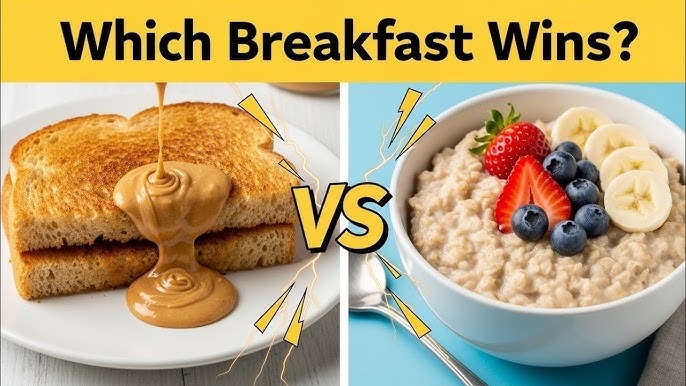
Breakfast Vibes Only: Who’s Serving The Real Energy—Protein Or Fiber?
The age-old breakfast debate continues—should you start your day with protein or fiber? Experts say both nutrients offer unique benefits. While protein supports muscle repair and satiety, fiber aids digestion and blood sugar control. The best choice depends on your health goals, lifestyle, and dietary needs.
Stay Ahead – Explore Now! No news available
ADVERTISEMENT

Latest Updates

Voluptatibus veritat
02 Oct 2026, 06:42 AM
Dolore quia exercita
02 Oct 2026, 06:40 AM
test324
21 Sep 2026, 12:35 PM
Lifestyle Test Story
19 Sep 2026, 08:43 AM
The Late-September Weather Shift Nobody Planned Fo...
19 Sep 2026, 08:20 AMADVERTISEMENT

Top Stories
The Late-September Weather Shift Nobody Planned Fo...
19 Sep 2026, 08:20 AM
What Made Global CEOs Crown India As the #1 Place...
19 Sep 2026, 08:06 AM
Protests Erupt at IIT Bombay Following AI-Related...
19 Sep 2026, 07:49 AM