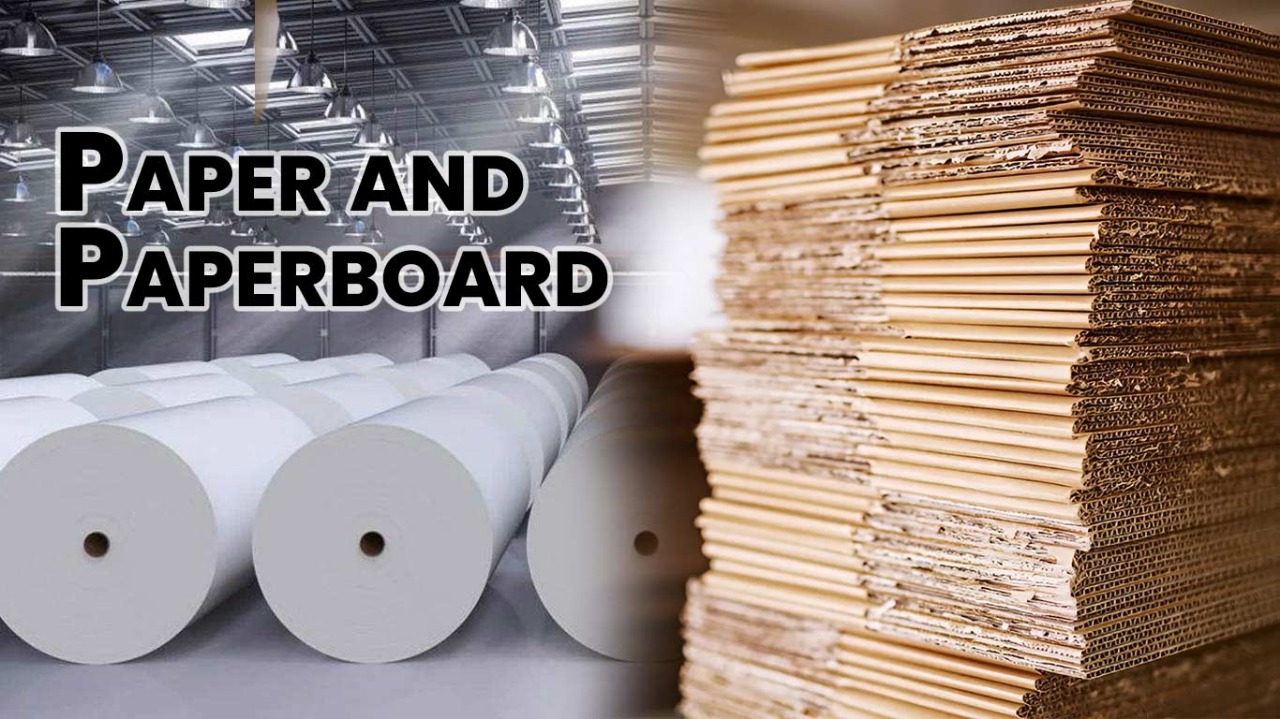
In a decisive move to protect India’s paper manufacturing sector from low-cost overseas competition, the Directorate General of Foreign Trade (DGFT) has imposed a Minimum Import Price (MIP) on Virgin Multi-layer Paper Board (VPB) imports. The new policy, effective immediately, sets a floor...
In a decisive move to protect India’s paper manufacturing sector from low-cost overseas competition, the Directorate General of Foreign Trade (DGFT) has imposed a Minimum Import Price (MIP) on Virgin Multi-layer Paper Board (VPB) imports. The new policy, effective immediately, sets a floor price of Rs 67,220 per metric ton on a Cost, Insurance, and Freight (CIF) basis and will remain in force until March 31, 2026. The measure is aimed at curbing dumping practices, particularly from Indonesia, and stabilizing domestic market conditions.
Policy Amendment And Scope
The MIP applies to VPB imports under HS Codes 48059100, 48059200, 48059300, 48109200, and 48109900
Imports below the specified CIF value are now restricted, though the overall import status remains classified as Free under India’s trade policy
Compulsory registration under the Paper Import Monitoring System (PIMS) is now mandatory for all relevant shipments
Trigger For Intervention
The Indian Paper Manufacturer Association (IPMA) had filed a formal complaint with the Directorate General of Trade Remedies (DGTR) in June 2025
The complaint alleged material injury to domestic producers due to dumped imports from Indonesia at prices below production cost
DGTR’s preliminary analysis found sufficient evidence of dumping margins above the de-minimis threshold, prompting the government to act
Industry Impact And Market Dynamics
VPB is widely used in packaging for pharmaceuticals, FMCG products, food and beverages, electronics, cosmetics, liquor, and publishing
Domestic manufacturers have faced margin pressure due to surging imports, with Chinese and ASEAN shipments rising sharply in FY25 and early FY26
The MIP is expected to provide immediate relief to Indian producers, allowing them to recover pricing power and stabilize operations
Anti-Dumping Investigation In Progress
While the MIP offers temporary protection, a formal anti-dumping investigation is underway to determine the extent and impact of unfair trade practices
If confirmed, the DGTR may recommend anti-dumping duties to further safeguard the domestic industry
The investigation will assess injury levels, price undercutting, and market share erosion caused by imported VPB
Broader Sector Challenges
India’s paper industry has been grappling with high raw material costs, especially for wood-based inputs, which surged 50 to 65 percent between FY23 and FY25
Imports rose 7 percent year-on-year in the first two months of FY26, with Chinese shipments alone increasing 33 percent in FY25
Domestic mills using agro-residues like wheat straw have shown more resilience, but overall sector margins remain below historical averages
Export Landscape And Global Trade Shifts
India’s paper exports have moderated to 1.5–1.6 million tonnes annually, down from a peak of 2.85 million tonnes in FY22
The recent 50 percent tariff imposed by the US on Chinese paper products may divert excess supply toward India, intensifying import pressure
The MIP is seen as a preemptive measure to counter this potential influx and maintain a level playing field
Conclusion
The imposition of a Minimum Import Price on Virgin Multi-layer Paper Board marks a critical intervention in India’s trade and industrial policy. By setting a price floor, the government aims to curb predatory pricing, support domestic manufacturers, and ensure fair competition. As the anti-dumping investigation progresses, the paper industry will be watching closely for long-term remedies that reinforce its competitiveness and sustainability.
Sources: The Tribune India, BusinessWorld, TaxGuru India, The Pulp and Paper Times, Babushahi Network.