Despite crawling at an average speed of just 9 kilometers per hour and taking nearly five hours to cover a mere 46-kilometer stretch, the Nilgiri Mountain Railway continues to attract packed coaches and long waiting lists. Operating between Mettupalayam and Udhagamandalam (Ooty) in Tamil Nadu, th...
Despite crawling at an average speed of just 9 kilometers per hour and taking nearly five hours to cover a mere 46-kilometer stretch, the Nilgiri Mountain Railway continues to attract packed coaches and long waiting lists. Operating between Mettupalayam and Udhagamandalam (Ooty) in Tamil Nadu, this UNESCO World Heritage train is India’s slowest—but also one of its most beloved. The question remains: why does a train so slow draw so much crowd? The answer lies in its history, scenery, and emotional resonance.
Route And Technical Marvel
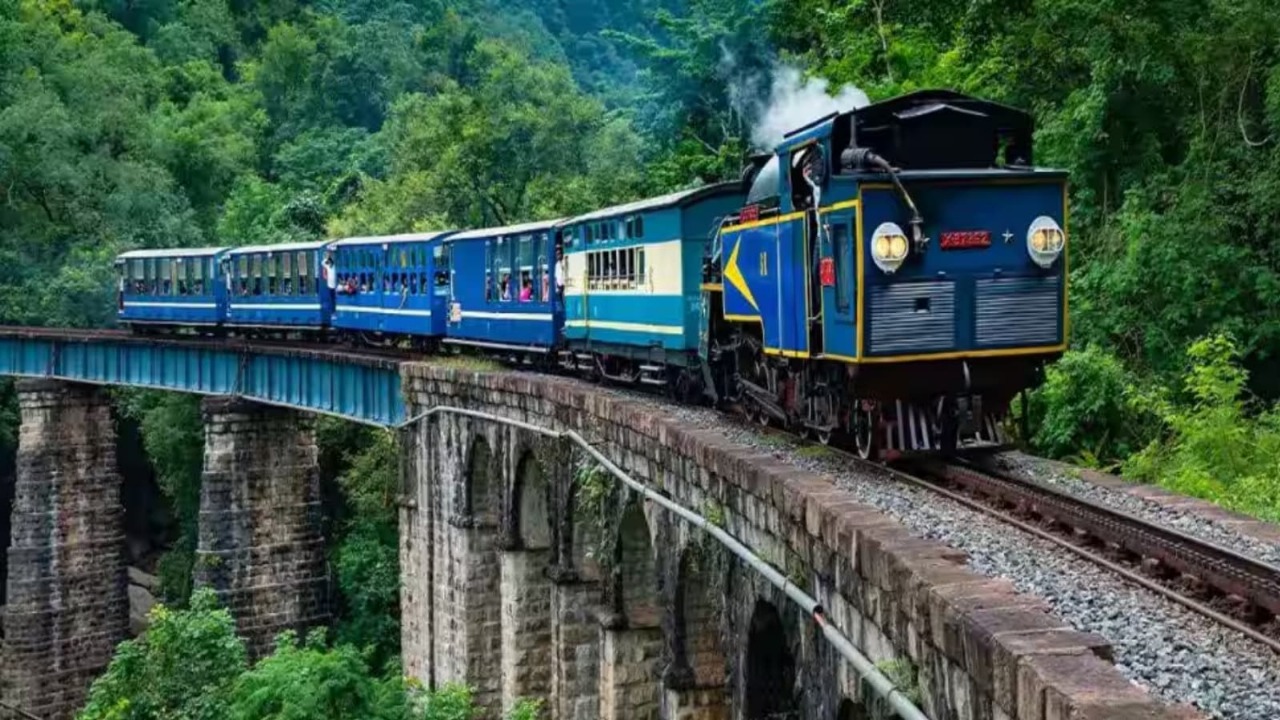
The train runs on a meter-gauge track with a unique rack-and-pinion system, the only one of its kind still operational in India
It traverses 16 tunnels, over 250 bridges, and more than 200 sharp curves, climbing steep gradients through the Nilgiri Hills
The route includes stops at charming hill stations like Kellar, Coonoor, Wellington, Lovedale, and Fern Hill, each offering colonial-era charm and panoramic views
The train is powered by vintage steam locomotives, adding to its nostalgic appeal and engineering significance
Why The Journey Is So Slow
The steep terrain and narrow gauge demand cautious speeds to ensure safety and stability
The rack-and-pinion system, designed to prevent slipping on steep slopes, inherently limits velocity
Frequent stops, sharp turns, and altitude changes make speed a secondary concern to precision and experience
Going uphill takes nearly five hours, while the downhill journey is slightly faster, shaving off about an hour
Crowd Magnet: Scenic, Sentimental, And Symbolic
The train offers one of India’s most scenic rail journeys, winding through misty forests, tea plantations, waterfalls, and deep gorges
Large windows and wooden interiors enhance the immersive experience, making it a favorite among photographers, honeymooners, and nature lovers
For many, the ride is a childhood memory revisited or a bucket-list item fulfilled, adding emotional weight to the journey
The train’s heritage status and cinematic fame—featured in films and travel documentaries—have amplified its popularity
Tourism And Accessibility
Ooty remains one of South India’s top hill destinations, and the train is often the preferred mode of arrival for tourists seeking a unique experience
The railway operates First Class and General Category coaches, with tickets available via IRCTC and local counters
Seasonal demand spikes during summer and festive holidays, with families, school groups, and international tourists vying for seats
Despite its slow pace, the train offers unmatched access to remote hill stations that are otherwise difficult to reach by road
Cultural And Historical Significance
Proposed in 1854 and completed in 1908, the Nilgiri Mountain Railway is a colonial-era marvel that connects the foothills of Mettupalayam to the summer retreat of Ooty
It was declared a UNESCO World Heritage Site in 2005, joining the ranks of the Darjeeling Himalayan Railway and Kalka-Shimla Railway
The train preserves a bygone era of travel, where the journey itself was the destination
Conclusion
The Nilgiri Mountain Railway may be India’s slowest train, but it moves through time, memory, and landscape in ways that no express can match. Its enduring popularity is a testament to the value of slow travel, heritage preservation, and emotional connection. In a world obsessed with speed, this train reminds us to pause, breathe, and take in the view—one curve at a time.
Sources: News18, NDTV Travel, MSN India, Economic Times, Moneycontrol Hindi.