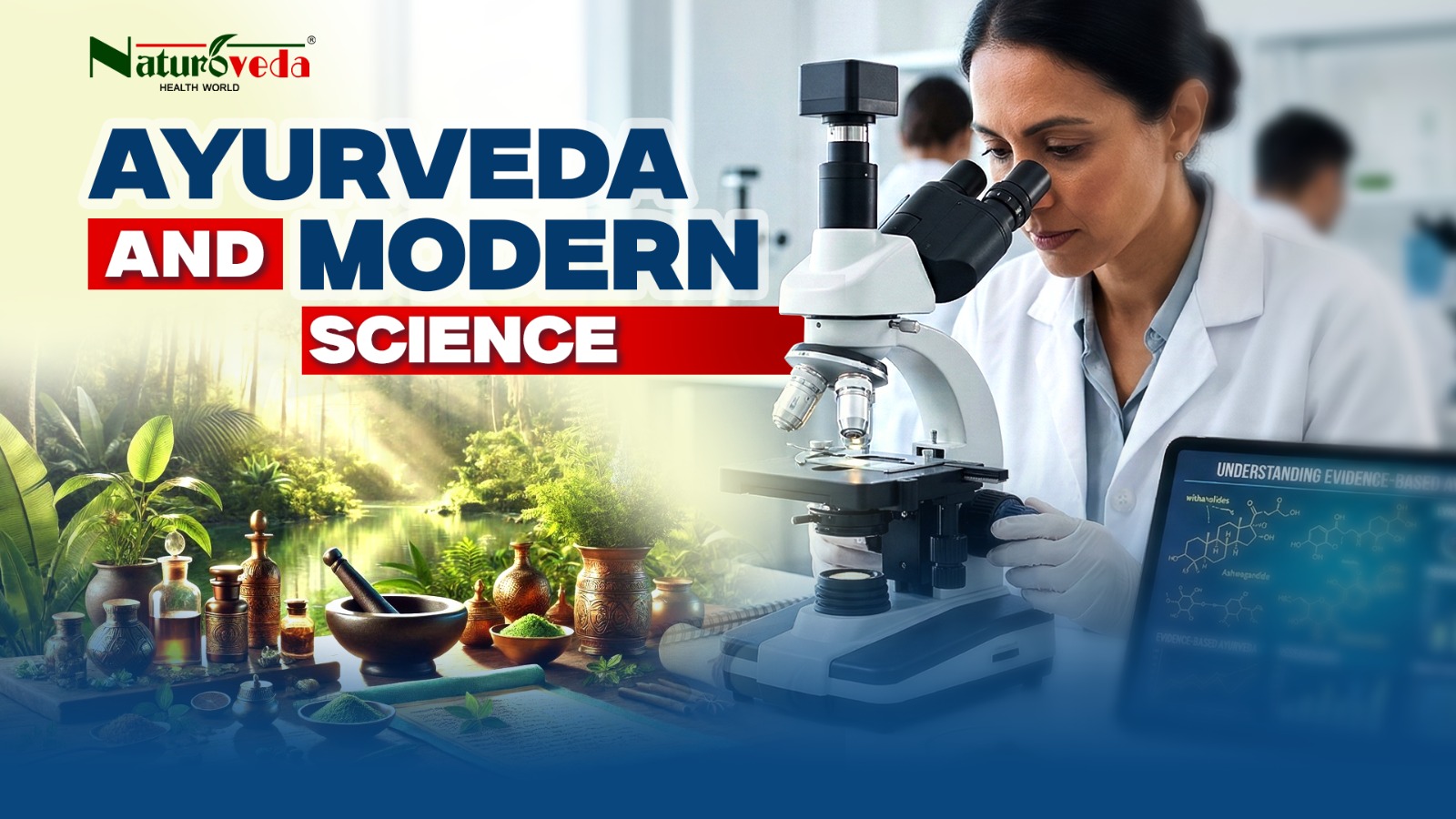

‘Is Ayurveda scientific?’ Many of us have heard this question that is often asked out of curiosity or with doubt. While consulting an Ayurvedic Doctor, probably this is the first question that comes to our mind. How can a 5000-year-old tradition still be considered scientific today?
Let’s Explore the Facts – Over a Cup of Tea
Ananya has been struggling with her Skin Allergies for years. There was hardly anything Ananya hadn’t tried – face washes, creams, antihistamines, ointments and whatnot! Within a couple of weeks, the same problem would return all over again, and gradually it developed into a chronic skin disease. Not only was she affected by the Skin Allergies, but her confidence also began to shatter. Her appearance was getting judged by those visible spots, overshadowing her natural beauty. One day, she visited an Ayurvedic Clinic and was confronted with some questions that were never asked earlier. The Doctor asked, “How is your digestion?” “Do you often feel stressed?” “Do you often eat junk food?” Ananya got surprised, but somehow understood that her skin is the reflection of her inner system.
The Evidence: As per Ayurveda, “Every disease is rooted in the Agni (Digestive fire)”. Interestingly, modern science now focuses on the “Gut-Microbiome” connection and has shown that 90% of our Serotonin is produced in the gut. Long before the gut-microbiome theory became popular, Ayurveda recommended multiple formulations like coriander-cumin-fennel tea, Triphala Churna, Takra or probiotic and more to clean your digestive system and strengthen your immunity.
Our second story is about the silent battle of the mind. Navin isn’t just stressed about his career and relationship, but is exhausted and unable to understand what is actually happening with him. Recently, whenever he prays, he has been disturbed by some “unwanted” thoughts or images of himself disrespecting the very deities he worships. Yes, it may sound unusual, but it happens with him, and despite having pure devotion, he feels intense guilt, as if he is sinning simply because of these thoughts. From this guilt-feeling behaviour, he has developed a habit of biting the inside of his cheek until it bleeds.
The Evidence: In psychological terms, these are intrusive thoughts or body-focused repetitive behaviours that may happen when the stress hormones are elevated in our body. From an Ayurvedic perspective, this is an imbalance of Vata. An aggravated Vata causes mental turbulence, then the mind tends to become anxious, stressed and restless.
A landmark study in the Indian Journal of Psychological Medicine showed that Ashwagandha root extract reduces cortisol (the stress hormone) by 28%. In Ayurveda, herbs that help the body adapt to stress and restore hormonal balance are known as Adaptogens and Medhya Rasayanas (brain tonics). Some important herbs that help calm the mind and soothe the nervous system include Brahmi, Jatamansi, Holy Basil (Tulsi) and Mandukaparni (Gotu Kola).
How does Ayurveda work?
Ayurveda works on the principle that every individual is unique. Unlike a machine with fixed parts, it treats the body as an ecosystem. Today, if two people have a headache, they both take the same aspirin, or the same paracetamol to treat a fever. But, in Ayurveda, if two people have a headache, one might be prescribed to drink warm ghee, and the other one might be told to take Guduchi. This is because Ayurveda doesn’t treat only the headache; it seeks the solution of the imbalance that caused it.
Understanding Doshas: The Biological Blueprint
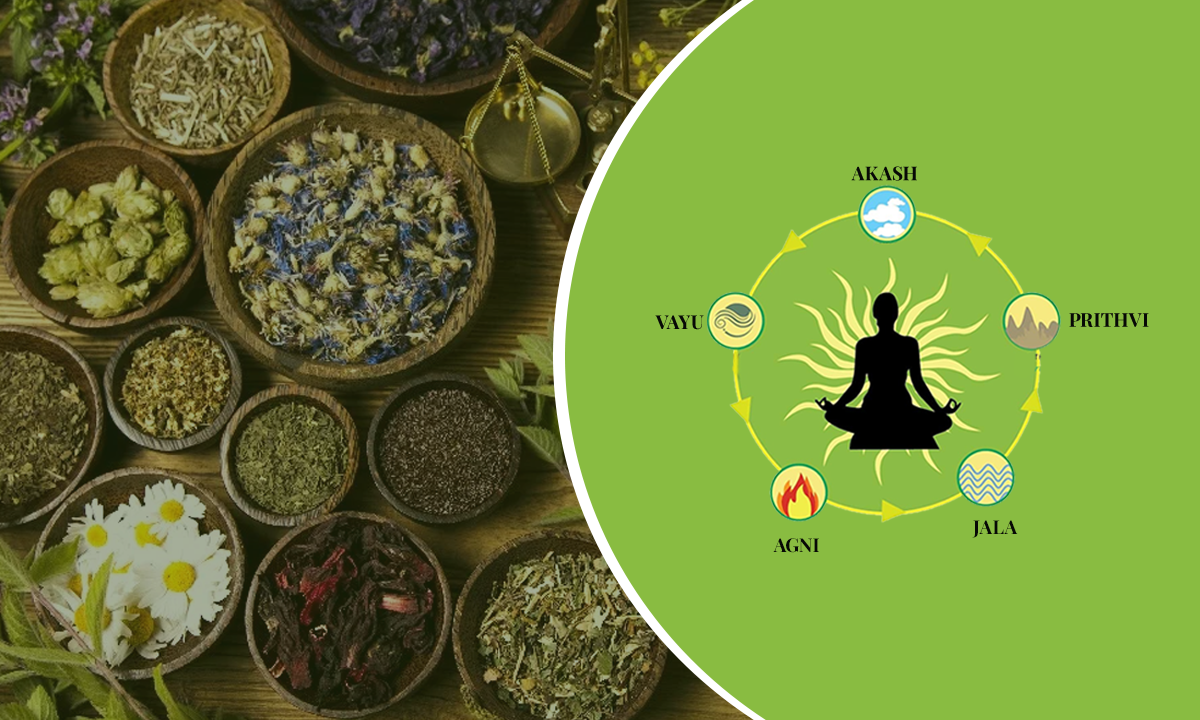
According to Ayurveda, “Doshas” (Vata, Pitta, Kapha) are the three fundamental energies that exist in every person but in different ratios. This unique proportion forms an individual’s Prakriti or body’s constitution. The imbalance of this proportion, known as Vikriti, is the main cause of a disease.
For example:
If Vata is aggravated, it may cause anxiety, insomnia, joint pain and dryness.
If Pitta is aggravated, it may cause acidity, skin disease and inflammation.
If Kapha is aggravated, it may cause weight gain, Diabetes, congestion, etc.
So, instead of just asking about the disease or its symptoms, Ayurveda finds the true cause of the imbalance in doshas. Each needs individualised treatment because of the unique ratio of doshas, e.g. a patient with arthritis may have Vata dominance, and another patient may have Kapha-related inflammation. Depending on that, their medicines, diet plan, lifestyle advice, and detox therapies will differ.
The ‘Scientific’ Basis of Ayurveda
We call something scientific that follows a logical system and can be documented. It is grounded in minute observation, and it produces consistent results.
Ayurveda is based on the renowned classical texts, namely –
· Charaka Samhita
· Sushruta Samhita
· Ashtanga Hridayam
Why is Ayurveda effective in Chronic Diseases
Modern medicine is highly effective in emergencies. But chronic diseases develop gradually due to untreated imbalances in doshas. Conditions like Diabetes, Joint Pain, skin allergies, psoriasis, Psoriasis, Piles and Asthma never develop in a day. From subtle imbalances in the doshas, our metabolism, immunity, stress and digestion get affected. Ayurveda finds the root cause and provides constitutional rectifications.
Is Ayurveda Scientific?
Indeed, it is! Based on its structure, logic and medical formulations, it is scientific in every way. The emerging field of Ayurgenomics is trying to bridge the gap between Phenotype (what we see) and Genotype (what is in our DNA). As per this new theory, Ayurvedic classifications are not mere observations; these are the ‘visible markers’ of the underlying biological differences at the cellular level.









Leave a Reply